


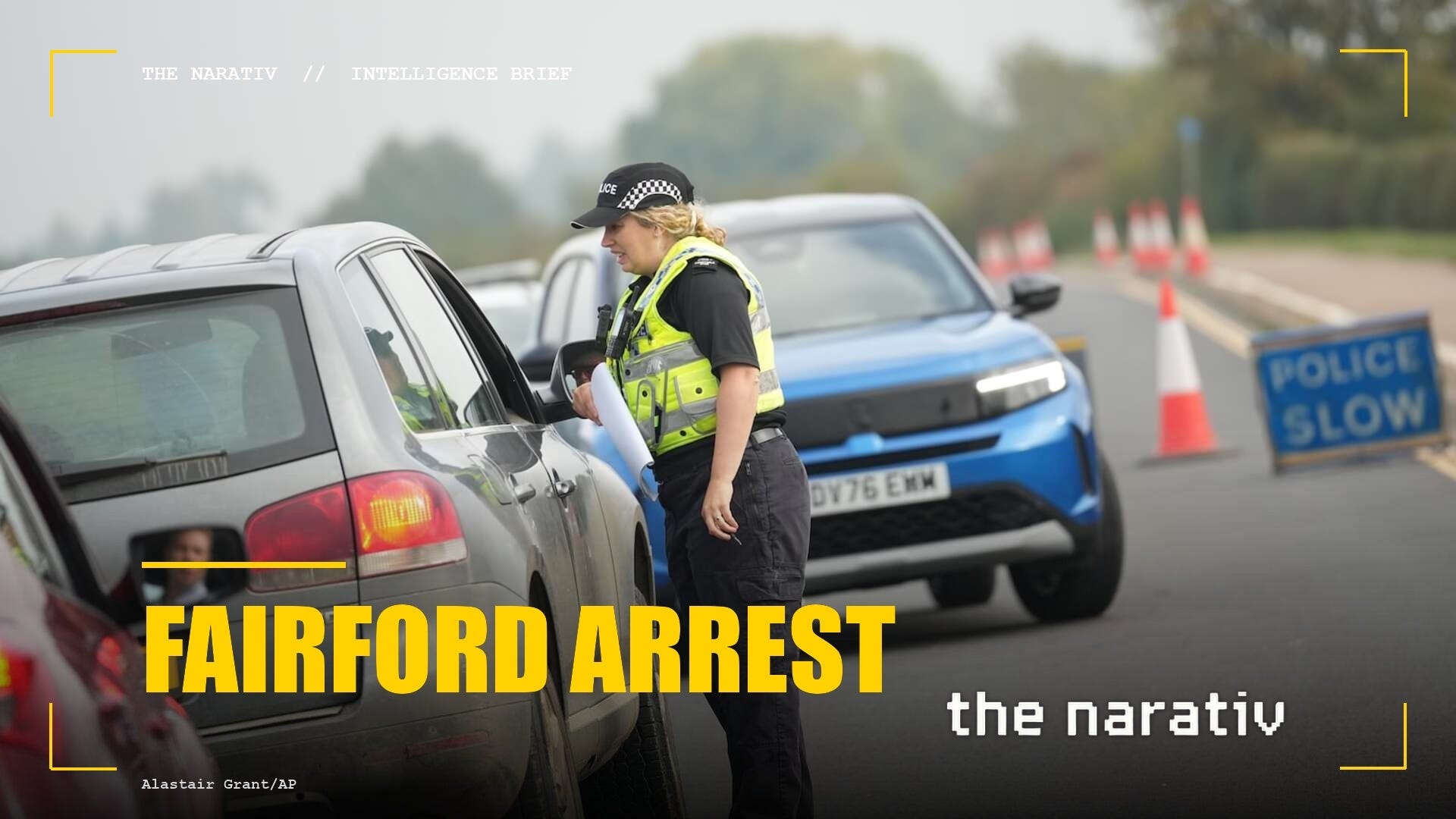
Counter-terror police arrested a 25-year-old man in Westminster on Thursday afternoon and said he holds British and Iranian citizenship. They arrested him on suspicion of preparing acts of terrorism under Section 5 of the Terrorism Act 2006, the same section they used on the five men they picked up near RAF Fairford on Sunday. They searched two properties in the same part of London. They did not name him. They did not charge him.
Six arrests. No charges.
Andy Burnham, Britain's prime minister, told the BBC on Wednesday there were "strong indications that Iran played a part" in what happened at the Gloucestershire base, and told Sky News "we can now confirm our belief that Iran played a part." He offered no evidence in public. Iran's embassy in London "categorically rejects" the claim. Police have now offered one fact that touches Iran, and the fact is a passport, not a plot.
The five men came first. Police arrested them in Whelford before dawn on Sunday, September 27, after a call shortly after midnight about three vehicles moving toward the base. Forensic teams and military specialists took the vehicles apart. They found petrol. They found no explosive devices. On Monday afternoon police released all five on bail with strict conditions on their movements and contacts, and as of Thursday the men remain on bail and remain under investigation.
So why did Britain's counter-terror chief send five terror suspects home the next afternoon, and what did he say they might be?
