

FIRST PUBLISHED IN JUNE 2021. THIS STORY IS FIVE YEARS OLD.
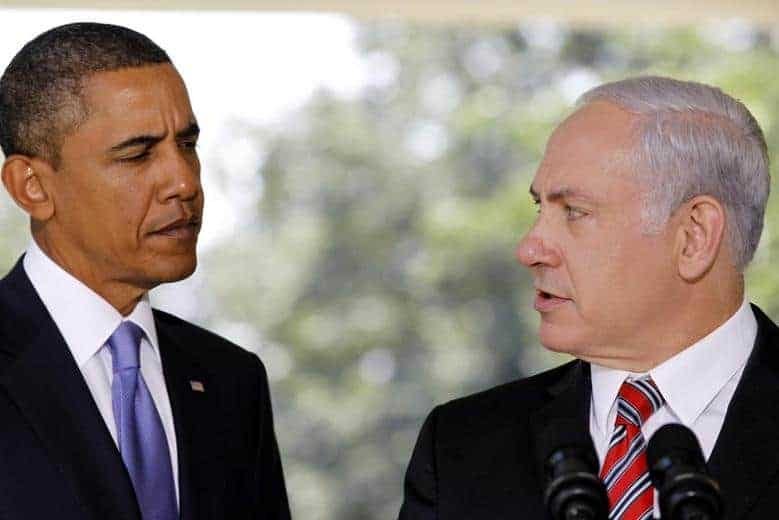
The unbelievably warm temperatures that signaled an early start to summer may have been to blame, but President Barack Obama’s famously relaxed demeanor was not on display on this June morning in 2009.
The world’s eyes were on Number 44, and his mood showed it. The newly inaugurated president took plenty of flack from Republicans as Iranians took to the streets.
I wasn’t having my best morning either. As the newly appointed executive producer of the CBS News Early Show, I was about to be late for an interview with the president of the United States.
A perfect storm roiled that morning, raining out a special broadcast live from the USS Intrepid and delaying my flight from New York to DC. Then, I was dropped off at the wrong White House gate—my DC colleagues’ idea of a hazing ritual, I thought.
With my hopes and dreams flashing before my eyes, and the temperature soaring, I ran the perimeter of the White House to find the correct entrance.
Robert Gibbs, Obama’s spokesperson, grabbed me on the way inside.
“We’ve changed things around on you,” Gibbs said, maintaining his cheerfulness, as he improvised reactions to real-time events.
“Harry is doing the Iran interview,” Gibbs said, referring to Harry Smith, the unflappable anchor of the CBS Early Show.
With those words, the interview went from casual to historically consequential in a matter of seconds.
Thankfully, Harry could handle anything, especially with this president. Harry was an early and regular reporter on Obama’s campaign.
I was drenched from the sweat or rain, or both, so much so that the White House butler offered me a napkin. I wiped my brow and made a mental note to take on less responsibility in the future. I pocketed the napkin embossed with the White House logo. I still have it today.
DEMOCRACY’S MOONSHOT
Three weeks earlier, Obama embarked on his first Middle east trip in pursuit of two critical and interconnected foreign policy initiatives: a Middle east peace deal and an Iranian nuclear solution.
Obama delivered a watershed address at Cairo University, lamenting the decades of blood spilled from proxy wars in the region, and offered the Arab world a new beginning. It was American-style democracy beginning a Middle East tour.
Democracy activists viewed the Cairo Address as a green light to confront the region’s dictatorial regimes. The series of protests, uprisings, and attempted revolutions that followed in the next few years became known as the ‘Arab Spring.’
In the end, democracy failed to usher a new era of openness into the region. While the Arab spring underlined the need for reform in the Middle East, the movement also exposed the limitations of democracy as an alternative to autocracy.
Obama gave democracy a moonshot chance at success in the Middle East, but it didn’t work. World leaders were left wondering, “Now what?”
THE WORLD IS WATCHING
At the White House, a crew member placed a microphone on the lapel of Obama’s jacket. The president was in the zone.
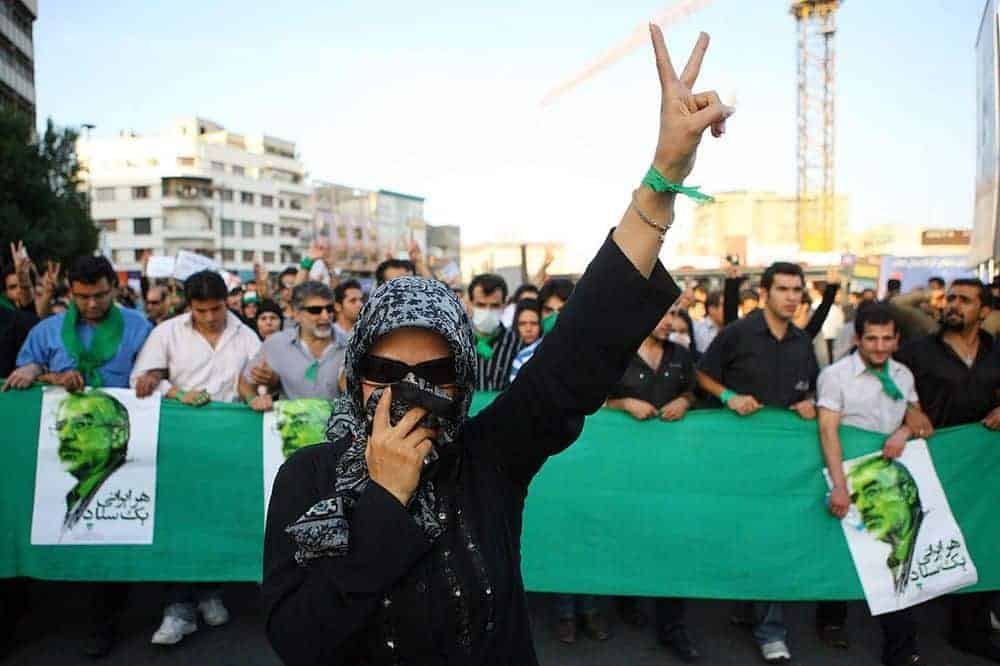
A week earlier, President Mahmoud Ahmadinejad claimed victory in the Iranian election despite allegations that the vote had been rigged. Supporters of second-placed Mir-Hoessein Mousavi demanded a recount, taking to the streets in what became known as the Green Movement.
There was no question: this was an opportunity for Obama to advance the Iran issue, but if he supported the protesters, he risked losing a major nuclear deal with the Iranian regime that was already in the works.
Harry began with Iran. Obama constructed a powerful message that pressured the regime but fell short of declaring the elections stolen.
“The world is watching and is inspired by their participation, regardless of what the outcome of the election was.”
The protesters awaited additional support from Obama, but it never materialized. In New York the next morning, I felt a momentary flash of satisfaction when I saw other news networks running our interview. The banner on CNN read, “The World is Watching.”
That satisfaction subsided as it became clear that the dramatic media moment would yield very little for the Iranian protesters. It also foreshadowed an Iranian nuclear deal which would imperil a vital relationship.
PAID SUBSCRIBERS CAN ACCESS A DEEPER DIVE BELOW THE PAYWALL
