

Eight days until the Department of Justice must comply with the Epstein Files Transparency Act. This week, two federal judges ordered the unsealing of grand jury records from Jeffrey Epstein’s 2019 case and Ghislaine Maxwell’s prosecution. The materials could be public within ten days.
Attorney General Pam Bondi announced in July that DOJ found “no incriminating client list”—reversing her February claim that such a list was “sitting on my desk.” Trump called the files “a big hoax.” The administration spent months blocking the transparency law before reversing course.
Five lawmakers demanded Bondi brief them by last Friday. That deadline passed. The law prohibits redactions based on “reputational harm,” yet Bondi announced new investigations into Trump’s political enemies—providing cover to withhold materials while Trump’s documented Epstein relationship goes unexamined.
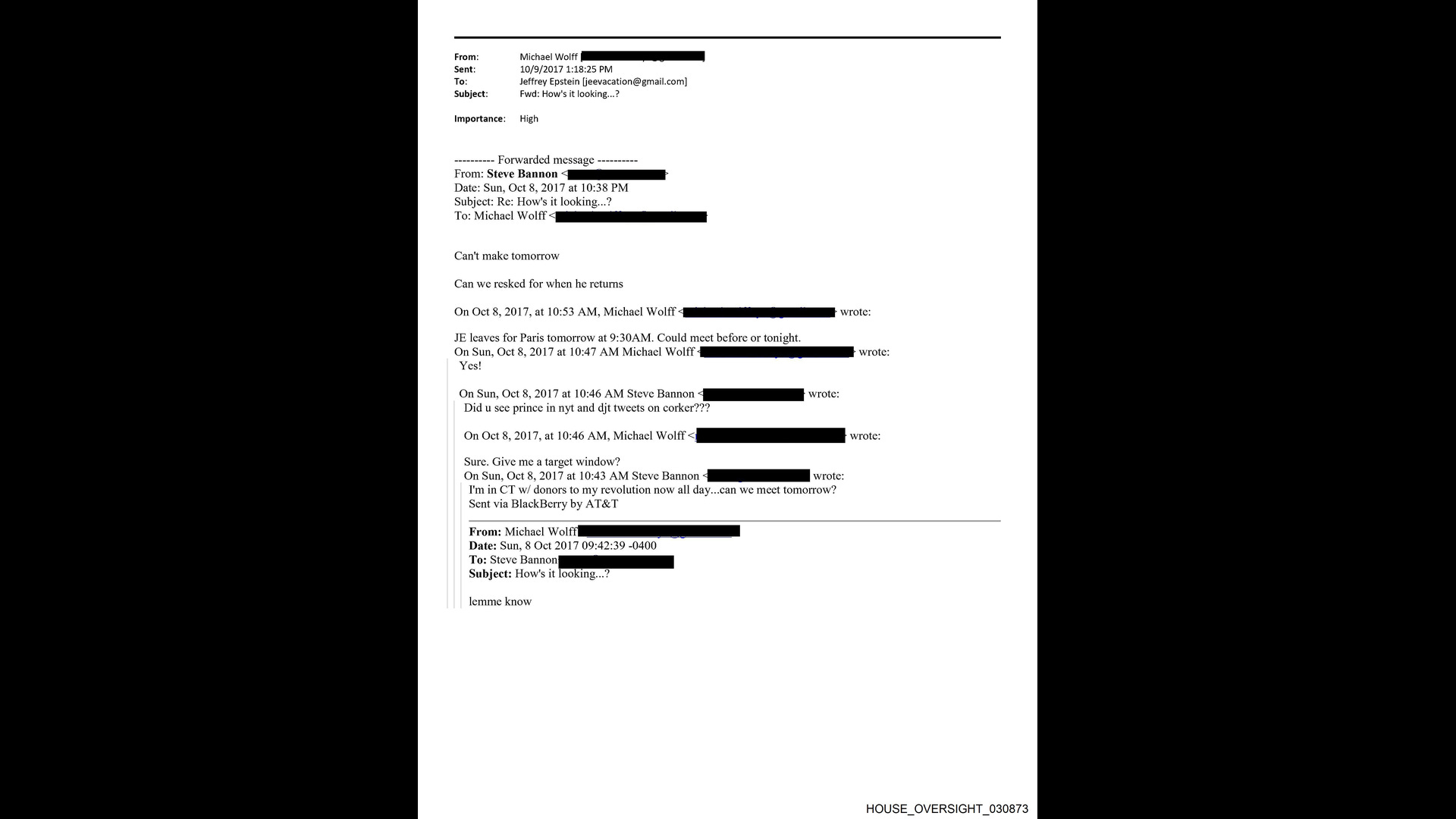
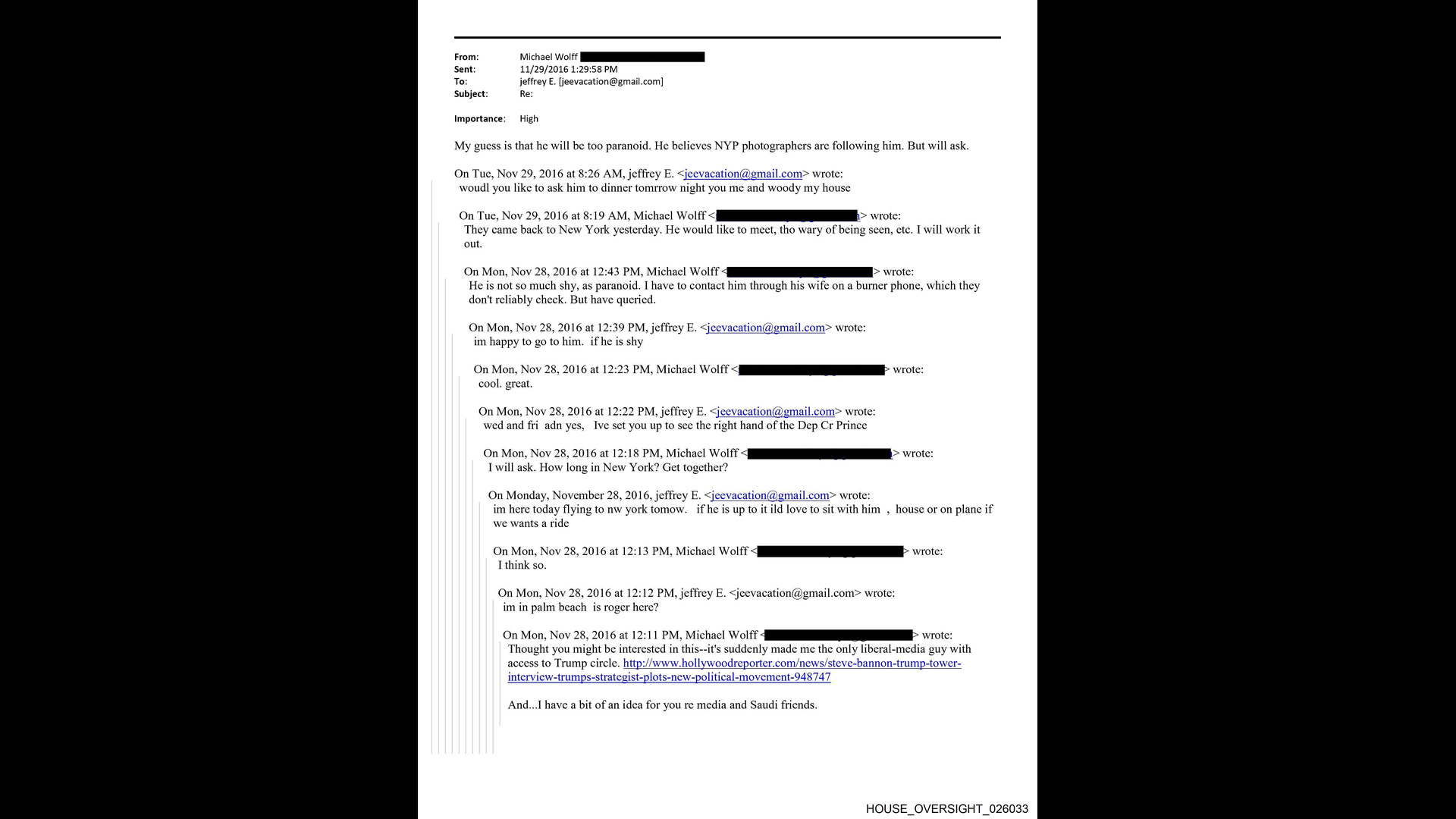
Tonight on Narativ Live, my colleague Ellie Leonard revealed what mainstream media buried: journalist Michael Wolff coordinated meetings between Jeffrey Epstein and Steve Bannon during the 2016 election and Trump’s first term.
November 2016, after Trump’s election. Wolff tells Epstein: “I’m suddenly the only liberal-media guy with access to Trump circle.” Epstein arranges dinners with Woody Allen, plane rides, meetings with the “right hand of the Dep Cr Prince.” Wolff tells Epstein he has “an idea for you re media and Saudi friends.”
October 2017. Wolff forwards emails from Steve Bannon to Epstein, coordinating a meeting. This is while Wolff is reporting “Fire and Fury,” published three months later.
December 2015. CNN is preparing to ask Trump about Epstein. Wolff gives Epstein strategic advice: “I think you should let him hang himself. If he says he hasn’t been on the plane or to the house, then that gives you valuable PR and political currency.”
Wolff later admitted recording 100 hours with Epstein. The question isn’t whether Wolff knew about Epstein’s crimes—everyone in media knew by 2016. The question is why Wolff served as Epstein’s intermediary to Trump’s campaign and which stories he chose not to tell.
When House Oversight released these emails in November, coverage died within two days. No one asked who else in media maintained similar arrangements or what stories got suppressed.
The Epstein network operated through access—collecting powerful people, facilitating their connections, documenting their compromises. Wolff’s emails demonstrate how that system penetrated journalism itself.
Three judges have ordered releases. The law is explicit. But the fight was never about whether documents get releas
ed—it’s about what gets redacted, which investigations get prioritized, and whose accountability gets pursued.
We’ll be covering every page.
Narativ Live airs Mondays and Wednesdays at 7pm ET. Subscribe at narativ.orgThank you Caro Henry, Dana DuBois, Nancy McAllister, Pamela, Jeanne Elbe, and many others for tuning into my live video with Ellie Leonard! Join me for my next live video in the app.